
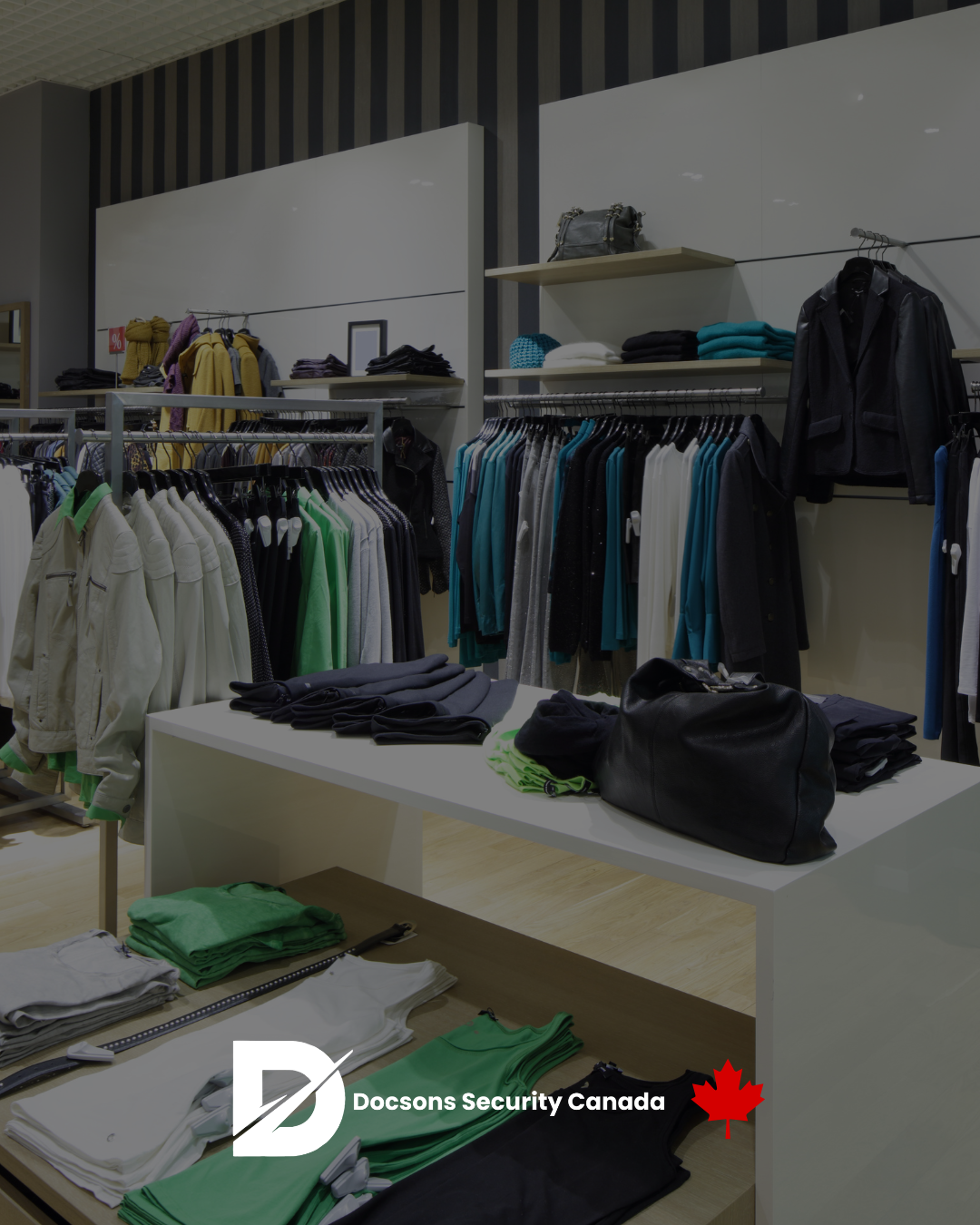
Every retail floor plan is engineered to guide customers through a shopping journey. However, the winding aisles, high shelves, and deep corners meant to display merchandise often create perfect blind spots for shoplifters. Theft thrives where surveillance cameras and employees cannot see.
From monitoring and patrolling to handling incidents swiftly, our team helps your business run smoothly and securely. Protecting your bottom line requires fixing these layout traps and pairing spatial awareness with a professional physical presence.
🔍 The Most Common Retail Blind Spots
- High Display Shelves: Fixtures over 4.5 feet block sightlines across the sales floor.
- Exit Bottlenecks: High-value items placed near unmonitored exits invite grab-and-go theft.
- Deep Alcoves: Back corners and fitting room corridors give shoplifters privacy to conceal goods.
🛠️ Quick Layout Fixes to Lower Risk
- Lower the Sightlines: Keep central floor displays below eye level so staff can monitor the room.
- Reposition High-Value Goods: Move frequently stolen merchandise close to the active cash wrap.
- Utilize Convex Mirrors: Install mirrors in unavoidable blind corners to extend visual reach.
🛡️ Human Presence Beats Hardware Alone
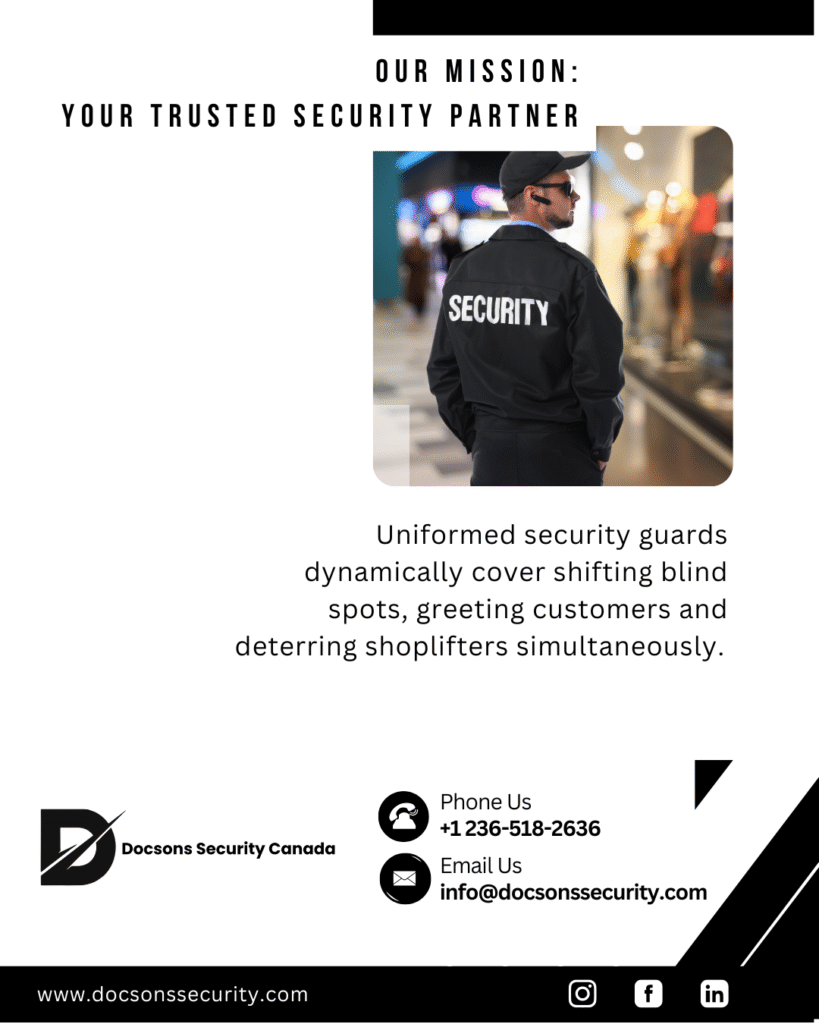
CCTV cameras record theft, but they cannot actively intercept it. Uniformed security guards dynamically cover shifting blind spots, greeting customers and deterring shoplifters simultaneously. If a disruption occurs, trained guards resolve the conflict safely, keeping your staff out of harm’s way and protecting your inventory.